
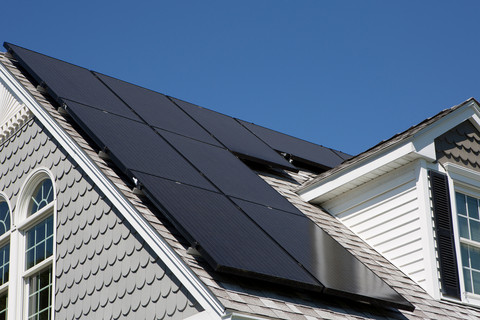
Solar panels can add as much value to a home as a fully renovated kitchen. The mechanism is simply less visible.
Investment value
Investment value is the direct increase in resale price. Industry studies have repeatedly found that solar installations can add several percentage points to a home’s value, often in the range of three to four percent, and homes with solar tend to sell faster than comparable properties without it. On a home valued in the high six or seven figures, that is a meaningful sum, delivered by an asset that was already paying for itself in reduced energy costs along the way.
Consumption value
Consumption value is less easily reduced to a single number: the appeal, to an increasing share of buyers, of a home that already generates clean power. It reflects a form of stewardship that resonates especially with the kind of buyer likely to be considering a home in your price bracket.
What actually determines the increase
Three variables matter most: the strength of the local solar market, since more established markets recognize the asset more readily; the size and quality of the installation itself, as larger and better-built systems add more value than token ones; and the value of the home, where larger, more expensive properties see a proportionally larger boost.
Traditional electricity prices continue to climb. As they do, the value of owning your own generation rises with them. Unlike most additions to a home, a well-built solar system adds value from the day it is commissioned, not after years of amortization.