
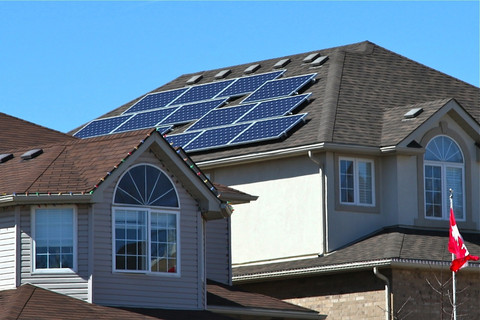
A net-zero home is one engineered to produce as much energy over the course of a year as it consumes. It sounds aspirational. In practice, it is an achievable design outcome, and one we now build toward as a matter of course rather than a novelty.
How it actually works
When the sun is shining, solar modules on the roof generate electricity that is harvested and, where a battery is part of the design, stored on-site. When the home is drawing more power than the system is producing, stored or grid power fills the gap. When the system produces a surplus, in the middle of a sunny afternoon, for instance, the excess is sent to the grid for credit rather than wasted. The grid becomes backup, not primary supply, and nothing generated ever truly goes to waste.
Why this is achievable now in a way it wasn’t a decade ago
Two trends made this possible. Solar module pricing has fallen substantially over the past decade, putting a properly sized system within reach of far more homeowners. Battery storage technology has advanced just as quickly, with meaningful improvements in cost, density, and longevity arriving nearly every year.
We have partnered with some of the finest builders in Guelph, Elora, and Wellington County on new-construction projects designed from the foundation up to reach net-zero, integrating solar generation, battery storage, and power electronics that manage the flow between them.
Net-zero is not a finish line. It is the standard we believe new construction, and increasingly, thoughtful retrofits, should be measured against, and we intend to keep leading the way in getting homes there.