
Few documents inspire as much quiet confusion as a monthly hydro bill. Between seven and nine separate line items, each with its own logic, is enough to make anyone’s eyes glaze over. Here is what is actually being charged, and why.
Time-of-use pricing
Most Ontario homes are billed on a Time-of-Use structure, meaning the price per kilowatt-hour changes depending on the time of day, and the definitions of peak, mid-peak, and off-peak shift again seasonally between summer and winter. The pattern is consistent: electricity used during peak afternoon hours costs roughly double what the same usage costs overnight. Run a load of laundry at 9pm instead of 2pm, and you are paying roughly half as much for the identical kilowatt-hours.
How your usage is actually measured
Energy is measured in watts, and usage in kilowatt-hours. The math is simpler than it looks: multiply an appliance’s voltage by its current to get its wattage, multiply that by the hours it runs to get watt-hours, then divide by a thousand for kilowatt-hours. A typical dryer running at 240 volts and 20 amps for an hour, for instance, consumes roughly 4.8 kWh, a number you can then apply directly against your time-of-use rate to see the real cost of any single load.
Delivery charges
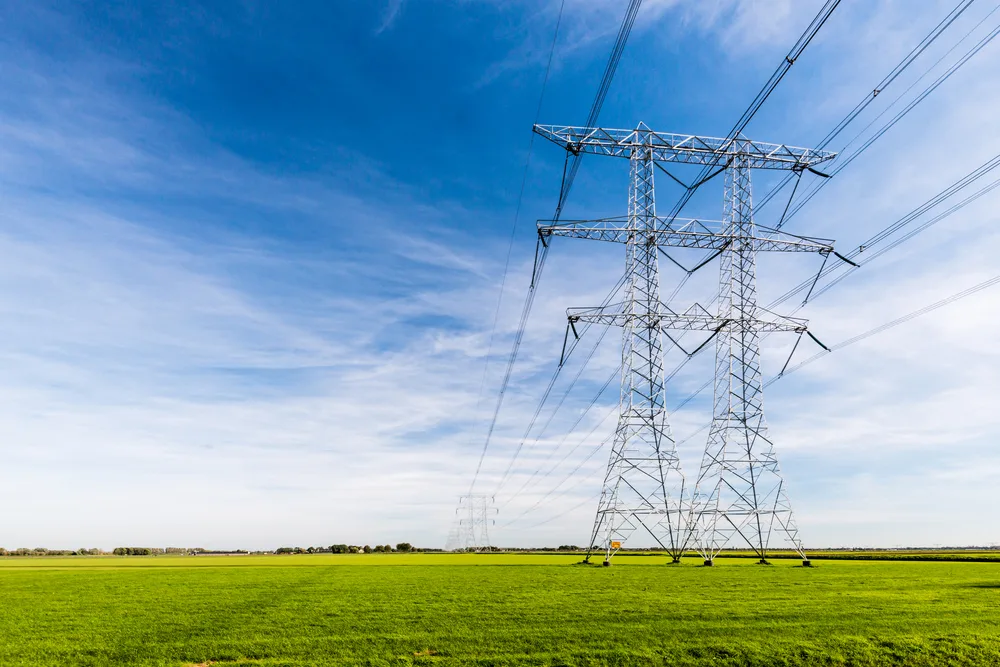
The delivery charge is what you pay to get electricity from the generating source to your home, a combination of fixed monthly costs and a variable rate tied to your metered usage. Both vary depending on how densely populated your area is; rural properties typically carry higher fixed and variable delivery costs than urban ones, since the same infrastructure serves far fewer customers per kilometre of line.
Regulatory charges
The regulatory charge is a smaller, largely fixed line item that funds oversight of the electricity system itself. It varies modestly depending on your rate class, but rarely accounts for a large share of the total bill.
What this means if you generate your own power
Every layer of this bill, time-of-use pricing, delivery charges, and the regulatory line beneath them, applies only to the electricity you draw from the grid. A home producing its own power through solar, with or without battery storage, does not eliminate the bill’s structure. It simply shrinks, sometimes to nothing, the portion of it that gets charged against you in the first place.