
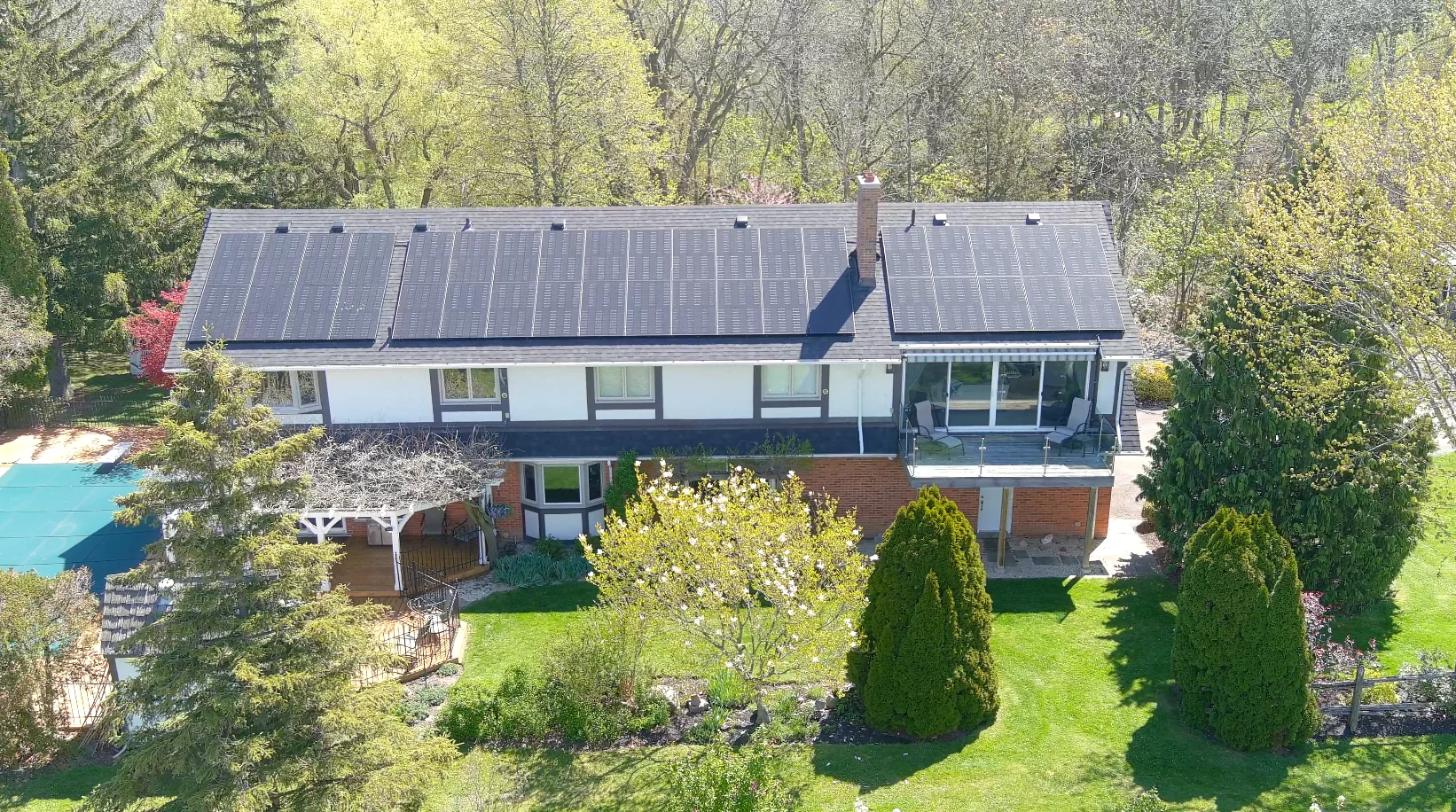
Nearly every residential solar energy system in Ontario connects to the grid as a microgeneration facility. The category determines how a system is approved, how quickly it can be connected, and how it is credited for the electricity it sends back to the grid. Microgeneration in Ontario now covers systems of up to 12 kilowatts, and for most homes that is where a thoughtful design begins.
What counts as microgeneration
The Ontario Energy Board’s Distribution System Code defines a micro-embedded generation facility as follows:
“An embedded generation facility with a name-plate rated capacity of 12 kW or less.”
Distribution System Code, in force May 1, 2026
Until May 1, 2026, the ceiling was 10 kilowatts. The Ontario Energy Board raised it because solar paired with battery storage was routinely pushing homes past the old limit, forcing owners to downsize their systems or face longer and costlier connections. We explain the change, and what it unlocks, in Ontario just changed the rules on solar.
The 12-kilowatt figure is a name-plate rating of the generation facility, not the number of panels on the roof. How a given utility assesses a system that includes battery storage, and whether a system is configured to limit its export, both matter, which is why the design and the application are prepared together.
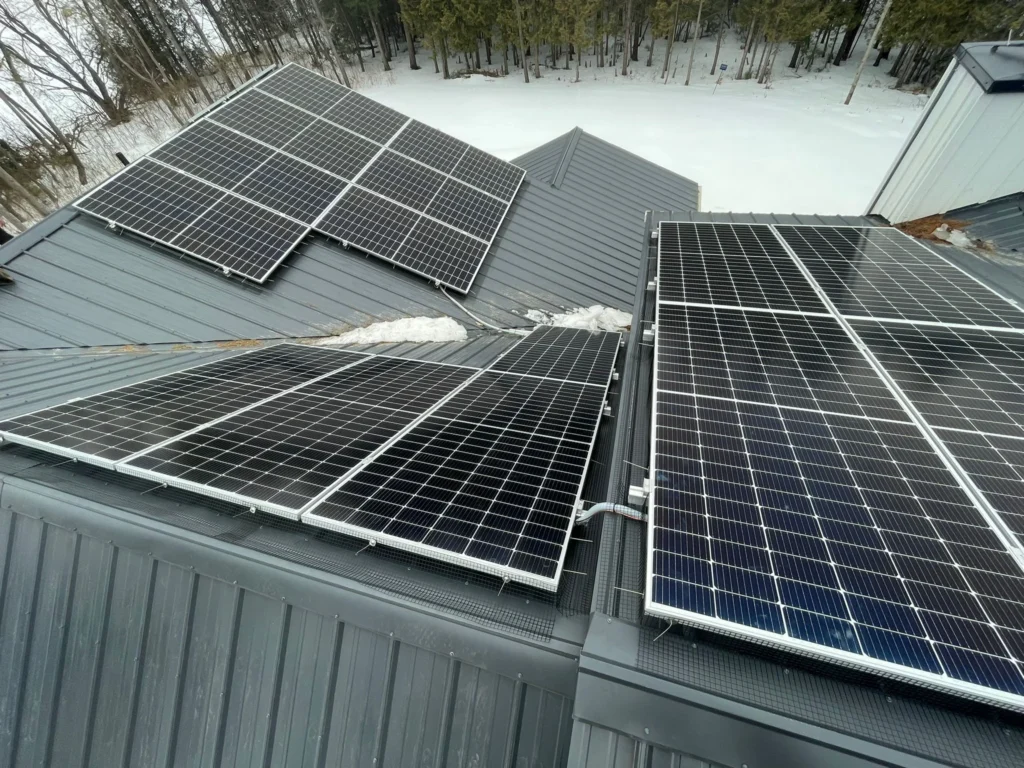
Connecting a microgeneration system, step by step
Each local distribution company (utility company) manages its own connections, and the details vary from one utility to the next. Bluewater Energy manages this process for our clients, guiding each project expertly through the complexities of a generation connection so you never have to think about it. The steps of the process, and the sequence in which they are completed, follows this general flow:
- Preliminary consultation. The utility is asked whether the local grid can accommodate the proposed system, and what the connection will require.
- Connection application. A formal application is submitted with the system design, typically including a single-line diagram and a site plan showing the disconnect.
- Offer to connect. The utility confirms its requirements and any connection costs.
- Installation and ESA notification. The system is built by a licensed electrical contractor, with a notification filed with the Electrical Safety Authority before the electrical work begins.
- ESA inspection. Once the installation passes, ESA notifies the utility that the system may be connected.
- Connection agreement and commissioning. The owner signs the utility’s connection agreement, and the commissioning documentation is completed.
- Meter exchange. The utility installs a bi-directional meter, which records electricity flowing in both directions, and the system is cleared to operate.
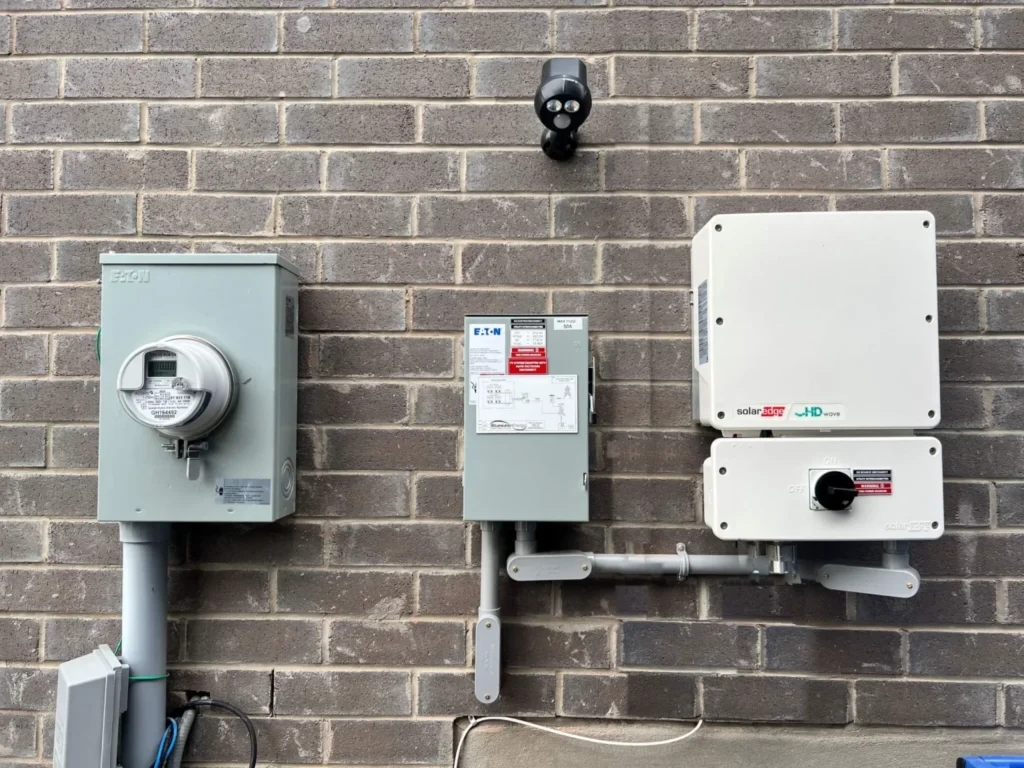
The inspection step is covered in our guide to ESA permits and inspections. At Bluewater Energy, we prepare and manage the utility application, the ESA notification, and the documentation at every stage, so our clients deal with one team rather than three organizations.
How net metering credits work
A microgeneration system that exports to the grid is connected under Ontario’s net metering framework. When your system produces more than your home is using, the surplus flows to the grid and earns a credit on the electricity portion of your bill. Credits carry forward for up to twelve months, so a strong summer can help offset the darker months of winter. Net metering provides bill credits rather than cash payments, which is why a system sized carefully to your home matters. Our Ontario net metering guide explains the details, and our guide to Ontario electricity price plans explains how your plan affects the value of each credit.
Ontario’s solar resource changes dramatically with the seasons. A 12-kilowatt system near Guelph produces nearly four times as much electricity on an average summer day as it does on an average winter day, which is precisely why credits that carry forward matter.
Estimated average daily output of a 12 kW solar system near Guelph, by season
Estimate based on NASA POWER solar resource data for Rockwood, Ontario, scaled to a 12 kW system. Actual output depends on orientation, tilt, shading, and equipment. · Bluewater Energy
View the data
| Season | Estimated output (kWh per day) |
|---|---|
| Winter | 16.4 |
| Spring | 42.7 |
| Summer | 64.2 |
| Autumn | 32.8 |
Where battery storage fits
A battery changes what a microgeneration system can do. Rather than sending every midday surplus to the grid for a credit, the system can store it and use it during the evening, when electricity is most expensive, and keep the home running through an outage. Utilities increasingly recognize systems that use a power control system to manage how much energy is exported, and the design choices made here directly affect how a system is classified and connected. Our home battery storage page describes how we approach it.
When a home needs more than 12 kW
Larger homes, homes with electric vehicles, and homes moving to heat pumps can outgrow a 12-kilowatt system. Ontario’s rules now allow larger systems to connect while limiting what they export, and that is the subject of our next guide in this series.
Designed for the connection, not just the roof
A well-designed microgeneration system is sized to the home, matched to the price plan, and prepared for the utility’s requirements from the first drawing. That is how we approach every residential solar panel installation. If you are considering solar for your home, we would be glad to talk it through.