Ontario Just Changed the Rules on Solar and Here’s What It Means for You
As of May 1, 2026, updates to Ontario’s electricity distribution framework are redefining what homeowners can do with solar energy.
These changes are being implement by the Ontario Energy Board (OEB) through revisions to the Distribution System Code (DSC) and may appear technical at first glance. In reality, they represent one of the most meaningful expansions of residential solar and energy storage capability in years.
Let’s break it down.
A Bigger Definition of “Microgeneration”
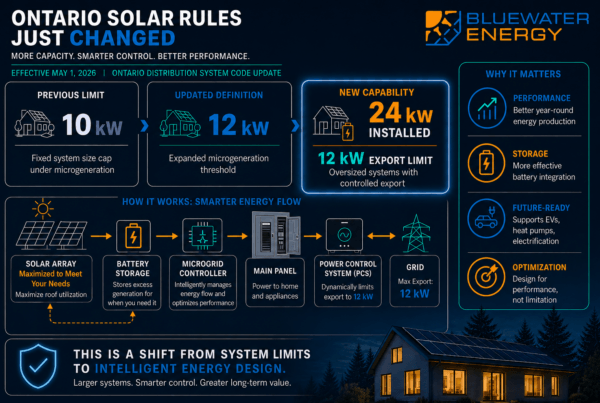
Historically, Ontario defined microgeneration systems as those with a capacity of up to 10 kW.
That threshold has now increased to 12 kW.
While a 2 kW increase may sound modest, it has a real impact:
- More roof space can now be utilized under standard connection rules
- Larger systems can qualify for simplified approvals
- Homeowners can offset a greater portion of their annual consumption
For many homes, this change alone allows for a more complete energy solution without stepping into more complex connection categories.
The Real Breakthrough: Build Bigger, Export Smart
The most significant evolution isn’t just the new 12 kW definition, it is the direction from the OEB to Ontario utilities:
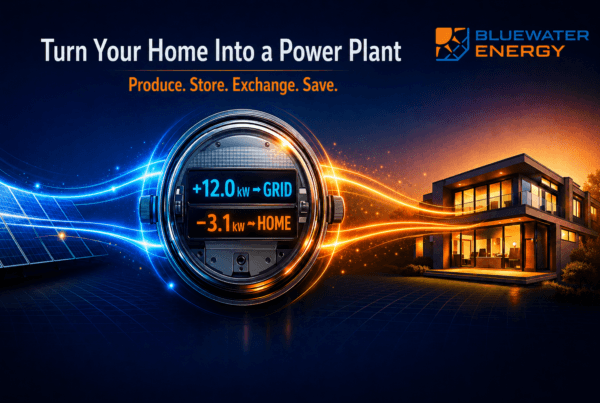
Homeowners can now install up to 24 kW of generation capacity, while remaining within microgeneration rules, provided exports to the grid are limited to 12 kW.
This is enabled through Power Control System (PCS) technology.
What does that mean in practice?
- You can oversize your solar array well beyond previous limits
- Your system can produce more energy overall, especially in winter and low-light conditions
- Exports to the grid are intelligently capped at 12 kW
This fundamentally shifts how systems can be designed and adds significant backup power for your home.
Why This Matters (More Than You Think)
1. Better Year-Round Performance
Ontario’s solar production fluctuates seasonally. Oversizing allows systems to perform more effectively during shoulder months and throughout the winter without being constrained by previous limits.
2. Battery Integration Becomes More Powerful
Larger arrays pair naturally with battery storage, allowing excess daytime generation to be stored rather than curtailed.
3. Future-Proofing Your Home
Electric vehicles, heat pumps, and electrification trends are increasing household demand. Designing to 24 kW capacity now means your system is ready for what’s coming.
4. Smarter Use of Your Roof
Instead of leaving usable space idle due to regulatory limits, homeowners can now maximize their installed capacity while staying within microgeneration frameworks.
What Is a Power Control System (PCS)?
A Power Control System is an advanced control layer that actively manages how much power your system exports to the grid.
It ensures:
- Export limits are never exceeded
- System performance is optimized behind the meter
- Compliance with utility requirements is maintained automatically
In short, it allows your system to be both larger and smarter.
What To Do Next
If you’ve been considering solar, or if you previously generation capacity limits meant that your were unable to have a system installed to meet your needs, this change makes revisiting your project a worthwhile endeavour.
At Bluewater Energy, we design systems that align with both current regulations and future demand. These new rules allow us to deliver:
- Larger, more capable solar arrays
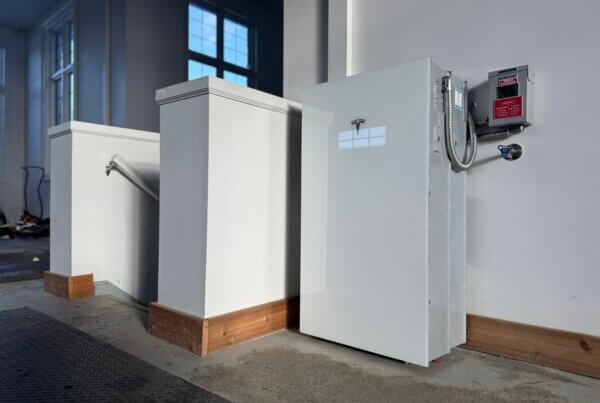
- Higher capacity integrated battery storage solutions
- Complete whole-home back up power
- Smarter, control-driven system architectures
All while maintaining compliance with Ontario’s microgeneration framework.
Final Thought
This isn’t just a regulatory update, it is an entirely new opportunity to:
- Build more robust and capable residential energy generation systems
- Provide whole-home back up power, resiliency, and long-term survivability during extended grid outages
- Turn your home into a high-performance energy generation asset that can off-set up to 100% of your consumption